How to Choose Restaurants and Towns Along the Way Without Blowing Your Schedule
Planning a long-distance road trip is both exciting and challenging. While cruising down open highways offers a sense of freedom, unexpected stops for a great meal or a charming town visit can disrupt your day’s driving schedule and casino hotel parking spike your stress. How do you enjoy route spontaneity and stress-free detours without throwing your carefully planned drive off track? It all boils down to realistic planning, strategic use of modern tools, and maintaining discipline on how you use your time and money.
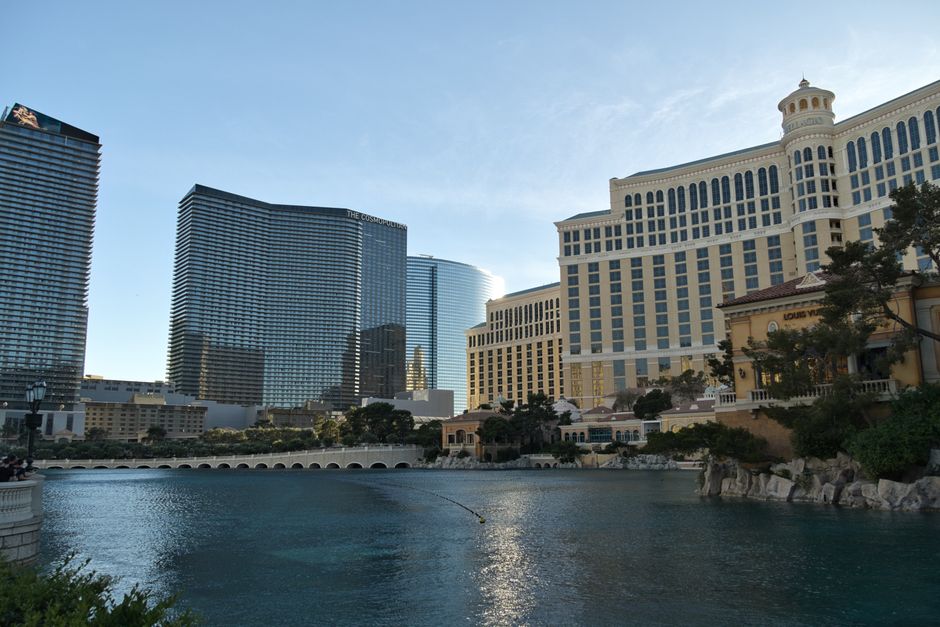
Driving Comes First, Casino Comes After Parking
When you’re eager to explore restaurants or the gambling casinos along your route, it’s easy to let your excitement lead and lose sight of the primary goal: safely reaching your next destination. The cardinal rule? Prioritize your driving and arrival schedule first.
Before even thinking about stepping into a casino or dining spot:
- Secure safe parking first. Use parking payment apps like ParkMobile or SpotHero to quickly find and pay for parking in crowded areas. This prevents wasting time driving around or rushing and feeling stressed.
- Confirm your next driving segment. Check your navigation app and realistically estimate how much time you’ll need to reach your overnight stop or next scheduled location.
Remember, spontaneous stops are rewarding, but only if they do not cause you to rush, miss your rest breaks, or drive fatigued afterward.
Realistic Daily Drive Planning and Buffer Time
The secret to happy road trips isn’t packing your day with maximum miles but building in buffer time for enjoyable stops. A good rule of thumb is to design your daily driving around 70-80% of what you think you can do.
- Estimate your drive segments: For example, if Google Maps says 6 hours to your next hotel, plan for 7.5 hours.
- Add scheduled breaks: Plan for at least two 15-minute breaks every 2-3 hours of driving to stretch and refresh.
- Include buffer time for spontaneous stops: If you spot a great local diner or want to check out a historic town, aim to keep it under 30-45 minutes if possible.
- Avoid squeezing detours into your final drive of the day: You want to arrive relaxed and with plenty of daylight for settling in.
This built-in buffer time is your key to stress-free detours and route spontaneity. It prevents small planning misses from turning into big headaches.

Using Banking Apps and Parking Payment Apps to Stay On Track
Modern apps are your greatest allies in maintaining control over your trip rhythm while allowing spontaneous discovery.
- Banking apps: Using your mobile banking app, set up separate virtual wallets or sub-accounts for your travel funds and gambling or entertainment funds. This division helps maintain clear boundaries in your budget so you don’t accidentally dip into money reserved for lodging or fuel.
- Parking payment apps: Before settling in for a meal or gaming session, quickly check available parking options with apps like PayByPhone or ParkWhiz. Paying and securing your spot from your phone avoids frustrating hunts for parking that could add unintended delays.
By harnessing these tools, you streamline everyday logistics to maximize leisure without blowing your schedule.
Separate Travel Funds From Gambling Funds
If you’re visiting casinos on your route for fun, control over your spending becomes crucial. Mixing your gambling money with your essential travel budget could turn a spur-of-the-moment bet into a costly setback that forces you to cut corners later.
Practical Tips to Stay Disciplined
- Use your banking app to open a dedicated gambling fund account or e-wallet.
- Only transfer a pre-decided, fixed amount per day or visit.
- Track your spending in real time using app notifications and alerts to avoid accidental overspending.
- If you lose the gambling fund, walk away — reminding yourself the trip's primary reward is the journey, not the jackpot.
Emergency Reserve Planning
No matter how great your itinerary or tools are, unexpected issues can arise: vehicle trouble, sudden weather changes, or longer-times at stops. An emergency reserve acts as your backup cushion to handle hiccups while keeping the overall trip intact.
- Set aside a small emergency cash fund: This can cover unexpected expenses like tolls, last-minute hotel changes, or urgent car repairs.
- Reserve extra buffer time: Build in an extra 30-60 minutes per day as contingency in case something runs long.
- Keep emergency contacts and roadside assistance info handy: Whether on your phone or printed, having quick access to help reduces stress and downtime.
Summary Table: Balancing Spontaneity with Schedule Control
Aspect Recommendation Benefits Daily Drive Planning Plan at 70-80% max drive time plus breaks Reduces fatigue, allows stress-free stops Parking Use parking payment apps pre-arrival Avoids searching delays, ensures legal parking Budgeting Separate travel funds from gambling funds Controls overspending, clarity in expenses Buffer Time Add 30-60 min extra per day for emergencies Allows handling unexpected delays smoothly Emergency Planning Have cash reserves & roadside assistance info Improves preparedness and reduces stressFinal Thoughts
The freedom of the open road is one of life’s greatest pleasures, but to truly savor it involves thoughtful preparation. By putting driving first, realistically planning your daily schedule, using apps that streamline parking and budgeting, and protecting your funds and time with buffers, you unlock the joy of route spontaneity without blowing your itinerary.
So next time you spot a cozy restaurant or a quaint town just off your route, you’ll know how to enjoy a stress-free detour—and still arrive relaxed, refreshed, and ready https://enyenimp3indir.net/why-is-a-quick-glance-at-a-phone-so-risky-when-driving/ for the next leg of your adventure.